
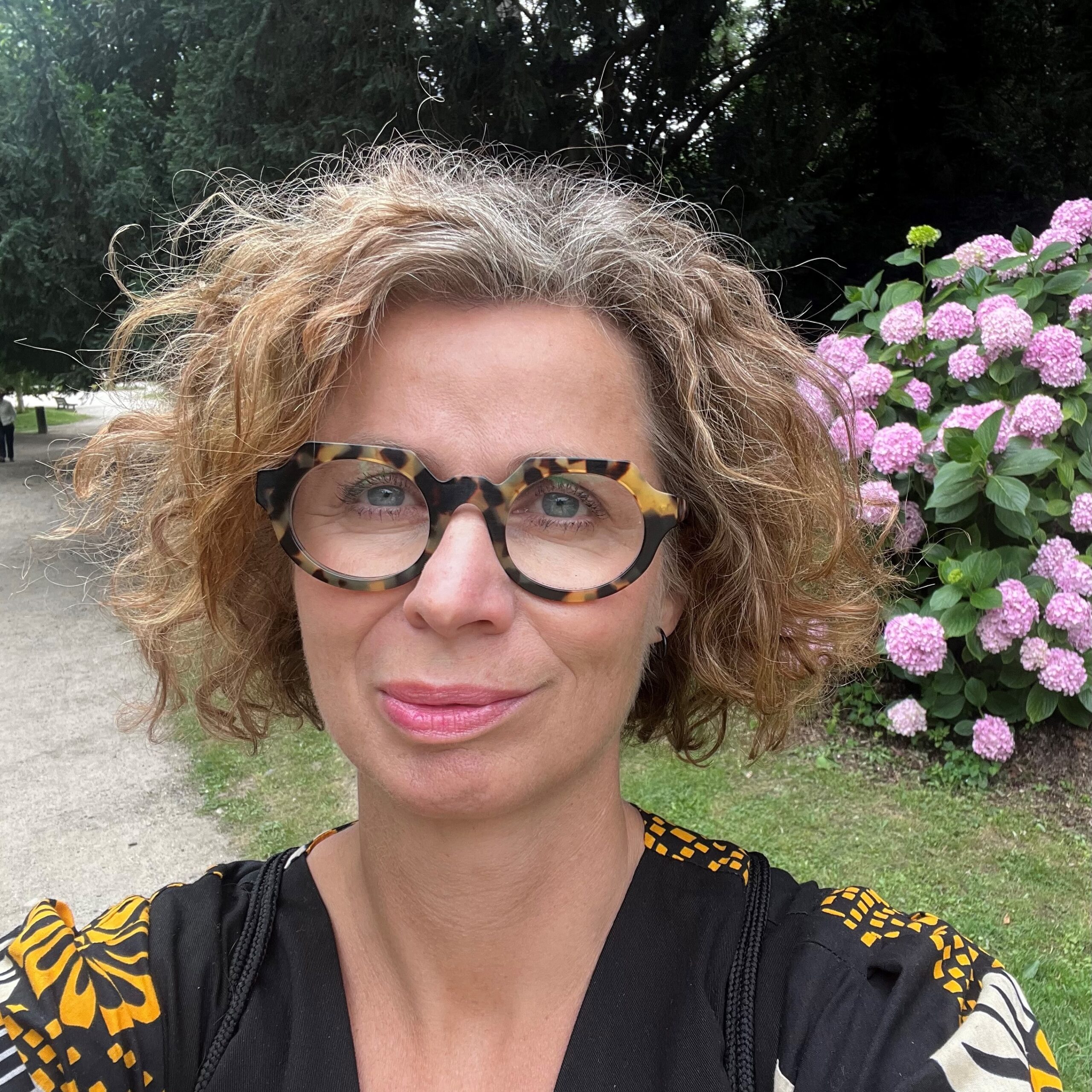
Lene Cividanes serves as Head of Division for the Danish National Genome Center and The Danish Health Data Access Body at the Danish Health Data Authority. With a background in political science and more than 15 years of experience in research and health data policy, Lene is a leading voice in advancing the framework for developing and implementing personalised medicine in Denmark.
Since joining the Danish National Genome Center in its early stages, Lene has played a central role in establishing Denmark’s national infrastructure for genomics and connecting the infrastructure with the national ecosystem for secondary use of health care data. Together with her team she has been particularly engaged in developing inclusive governance models that support public trust, democratic legitimacy, cross-sectoral coordination and stakeholder engagement at multiple levels nationally and internationally as well as ensuring sustainable financing. She has also been deeply involved in the establishment of research services and betrothed the development of the ethical and regulatory frameworks around genomics.
Lene’s engagement is guided by a broader aim to support the development of sustainable, people centered and internationally connected genomics repository and health data ecosystems for the benefit of the patients.
Five years with the Danish National Genome Center
With the launch of the National Strategy for Personalised Medicine in 2017, Denmark took a decisive step away from a one-size-fits-all approach to healthcare. The vision was clear: treatment should be tailored to the individual patient through stronger research, more precise diagnoses, and targeted therapies.
Realising this vision required a coordinated national effort and significant investments. Through joint funding the Danish National Genome Center (DNGC) was established in 2019.
The DNGC has been tasked with transforming strategic goals into operational reality. This includes establishing a national infrastructure that integrates advanced genomic data directly into clinical care, making complex analyses available to healthcare professionals at the crucial moment of diagnosis and thereby creating direct clinical value for patients with rare diseases and cancer.
Today more than 60,000 patients have received whole genome sequencing as part of their treatment in the public health care system and their genomes are now part of the National Genome Database. This has significantly improved diagnostics and treatment as well as enabled research that will shape the treatment of the future.
The DNGC is now entering a new phase, where its infrastructure and knowledge will support broader digital health initiatives as part of the Danish Health Data Authority. The goal is to enable the safe use of genome data alongside other health data—benefiting patients, research, and society, and helping shape the healthcare system of the future.